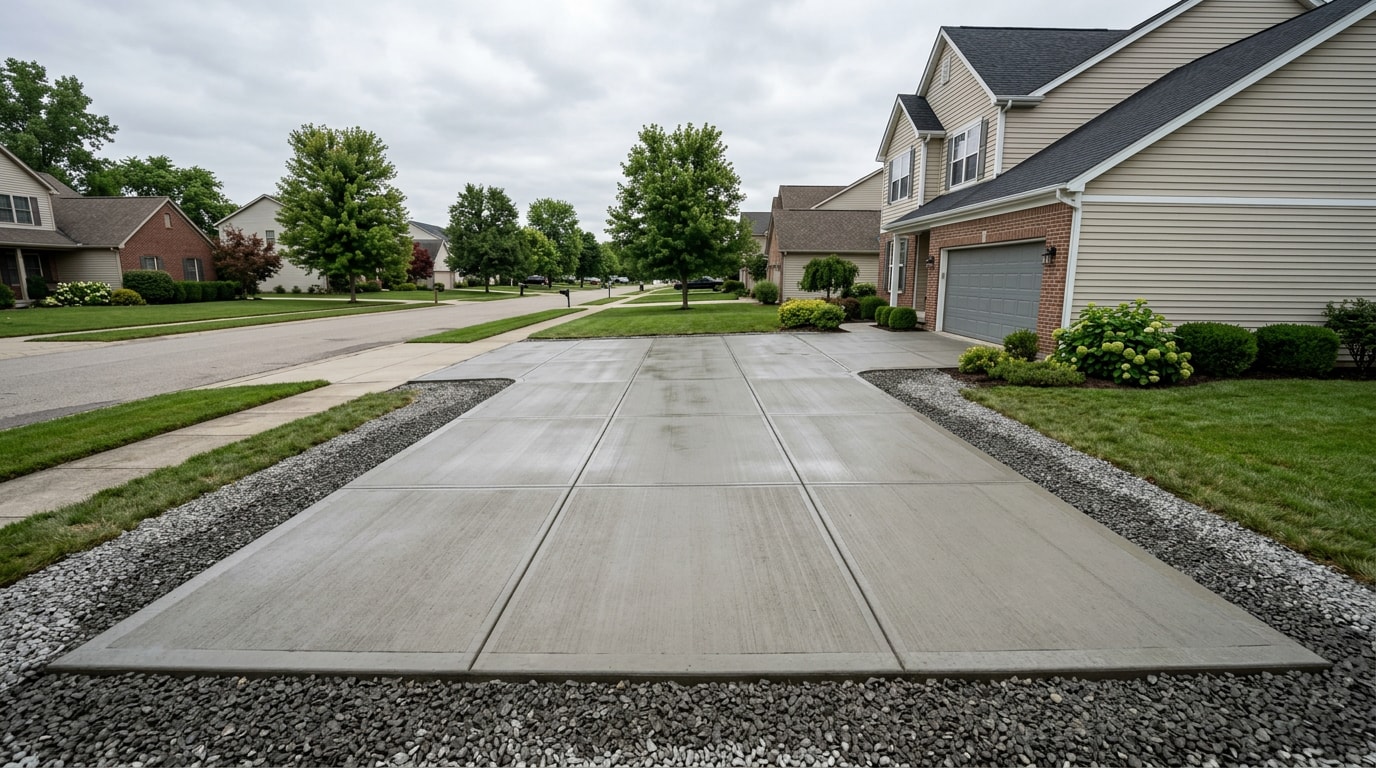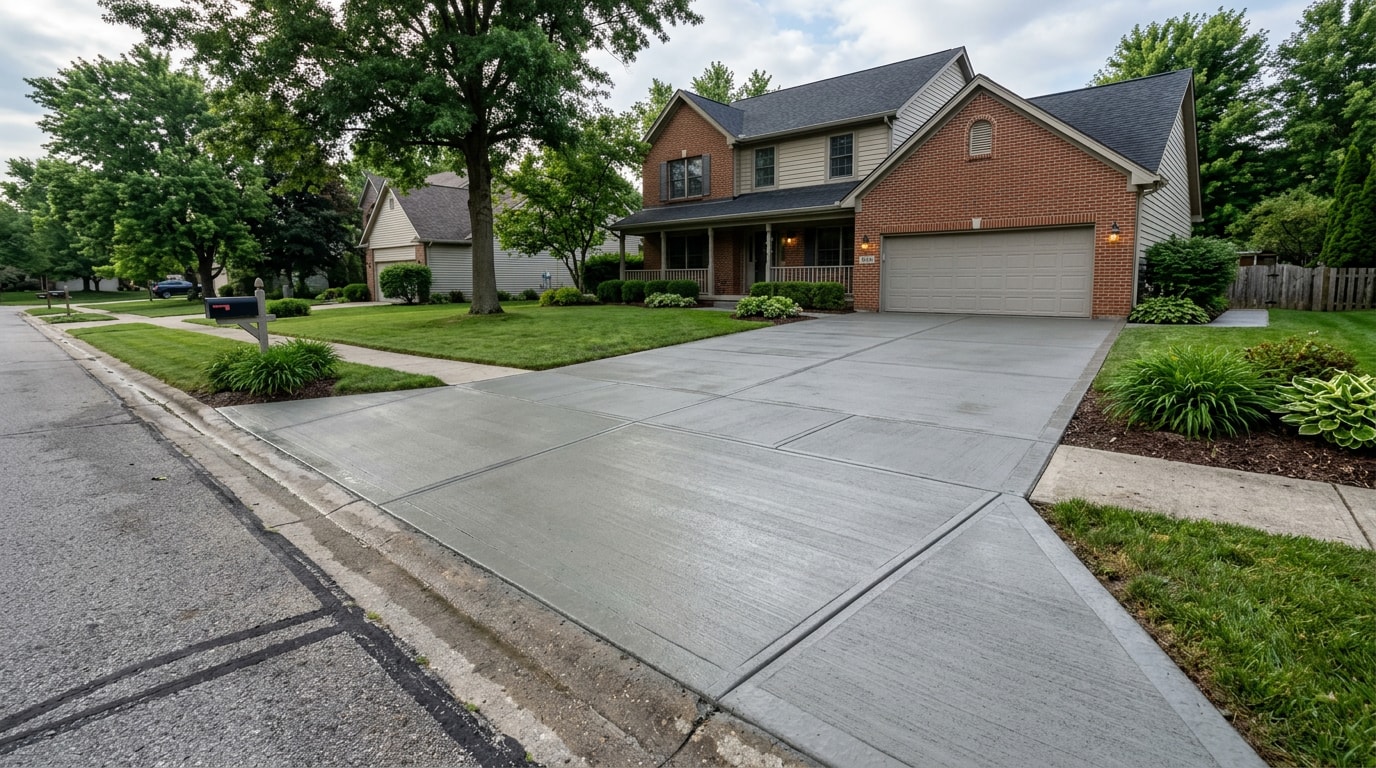
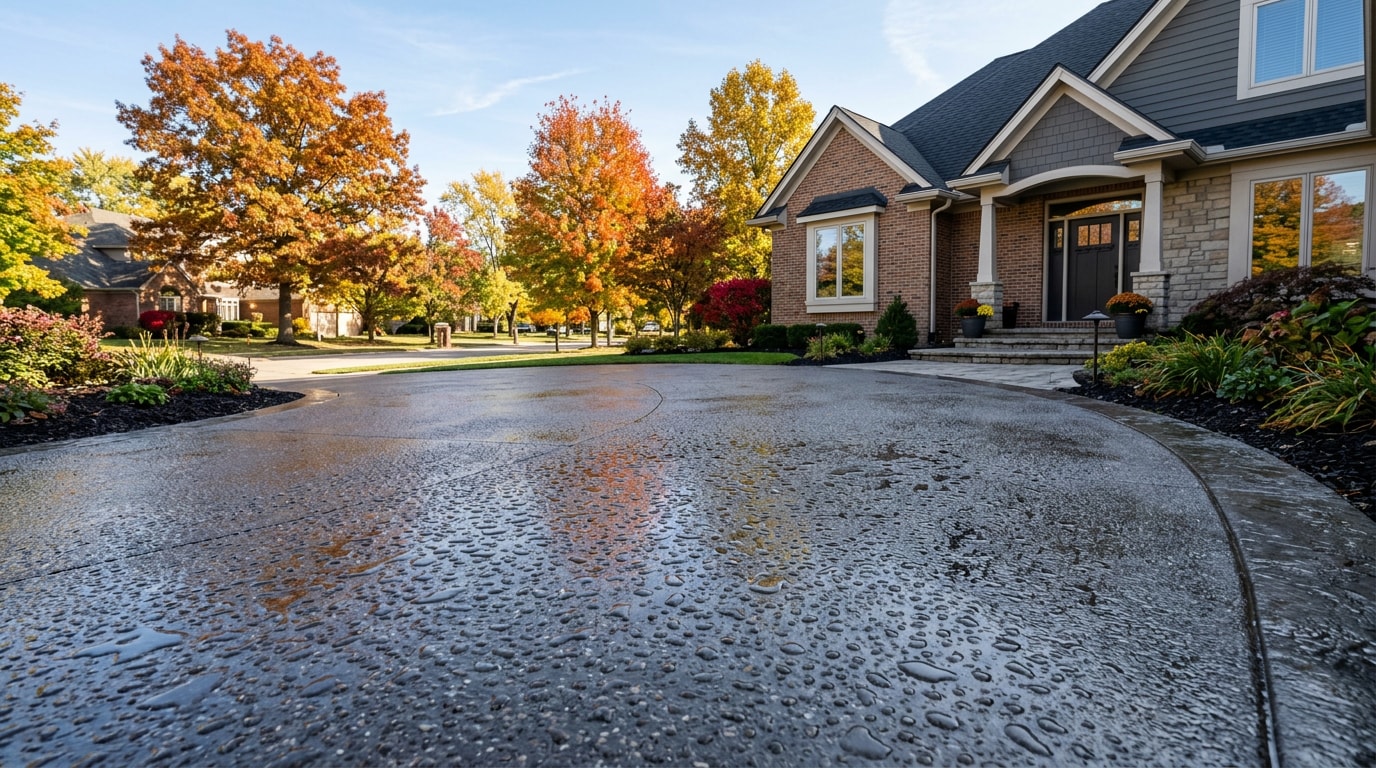
Waterproof concrete sealer protects Indianapolis driveways, patios, and garage floors from the freeze-thaw cycle that cracks unsealed concrete apart. Water gets into the pores, freezes, expands, and widens every crack a little more each winter. This guide covers sealer types, application timing, reseal schedules, and the surface prep step most sealing advice skips entirely.
Why Seal Your Concrete? (Benefits of Concrete Sealing)
Property owners seal concrete for three reasons: keeping water out, extending the slab's life, and keeping it looking good.
Each benefit reinforces the others. A surface that resists moisture also resists the cracking and discoloration that freeze-thaw cycles cause. Here's how a waterproof concrete sealer delivers all three for Indianapolis homes and businesses.
Moisture Protection
Moisture protection is the core job of a waterproof concrete sealer. It blocks rain, groundwater, and snowmelt from soaking into porous concrete, stopping the freeze-thaw cracking, efflorescence, and spalling that untreated surfaces develop after a few Indiana winters.
Indianapolis averages roughly 43.63 inches of precipitation a year based on 1991-2020 climate normals , and the city experiences a humid continental climate marked by very strong seasonal temperature swings due to its inland location . Every swing across freezing pushes water trapped inside concrete's pores to expand, prying the surface apart from the inside. Sealed concrete keeps that water from ever getting in, which is why moisture protection stays the first line of defense.
Enhanced Longevity
A sealed surface simply lasts longer. By keeping moisture, de-icing salts, and UV exposure away from the concrete's surface, sealer slows the chemical and physical processes that cause cracking, spalling, and crumbling edges over time.
A quality sealer won't make concrete indestructible. But it meaningfully slows how deeply the freeze-thaw cycle works into the slab, which buys years of usable life before a full replacement is on the table. For a closer look at what happens when that process goes unchecked, see our spalling concrete guide for Westfield homeowners.
Improved Aesthetics and Property Value
Sealer isn't just functional. It changes how concrete looks.
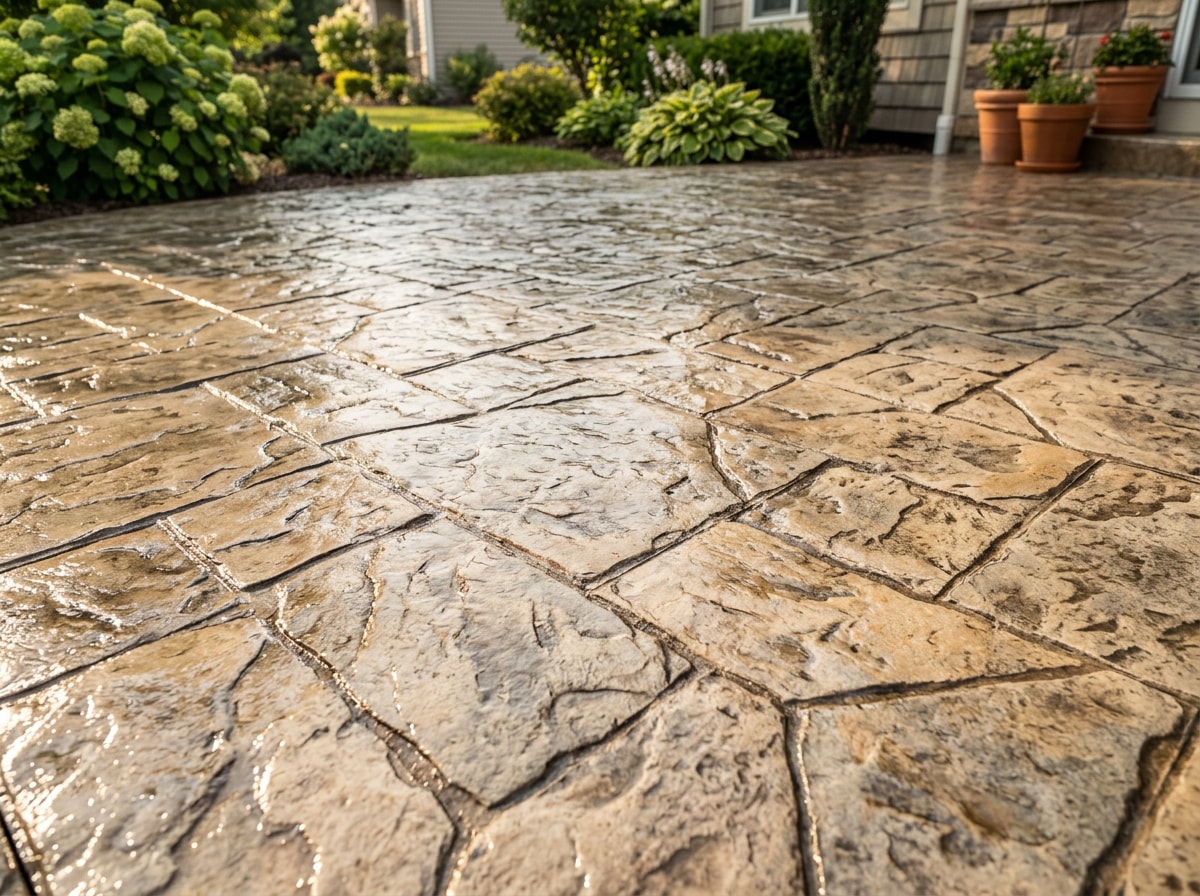
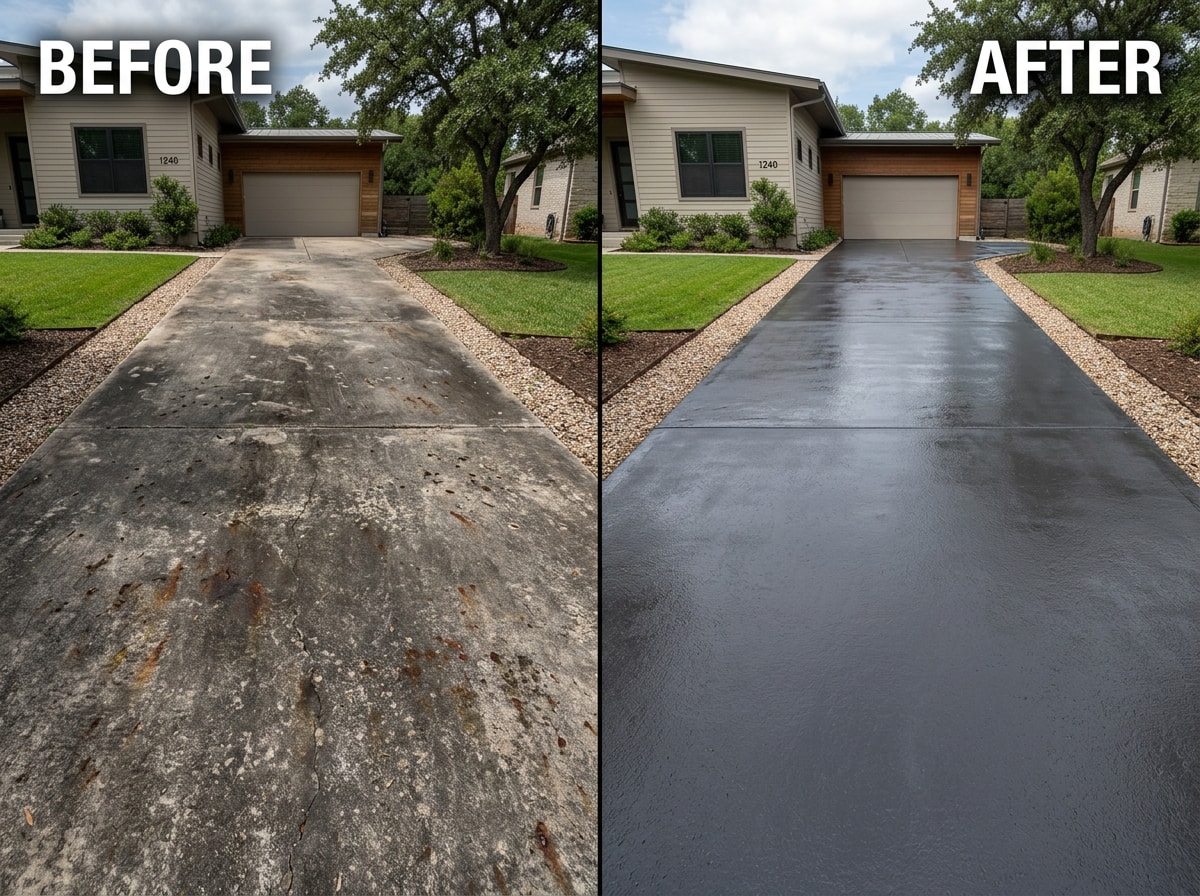
Many sealers deepen color, add a subtle sheen, or create a "wet look" that makes faded concrete appear new again. Stamped and decorative concrete especially benefit, since sealer protects the pattern while enhancing contrast between colors.
For Indianapolis homeowners thinking about resale, a well-kept concrete surface signals a property that's been cared for. A cracked, stained driveway quietly drags down curb appeal, while a clean, sealed surface reads as low-maintenance to buyers.
Why Surface Prep Decides Whether a Sealer Actually Works
Here's what most sealer guides skip: the product matters less than what's underneath it. A premium silane/siloxane sealer applied over old peeling acrylic, mildew, or efflorescence fails just as fast as a bargain jug from a hardware store shelf. Surface prep, not sealer chemistry, is usually the real point of failure.
After stripping failed sealer and coatings off concrete across Central Indiana, we see the same pattern on nearly every callback job: the sealer wasn't the problem, the prep was. Old coatings trap moisture instead of blocking it, and rolling a new sealer over that mess just seals in the damage.
Proper prep removes:
- Old failed sealer and coating residue
- Efflorescence and mineral deposits
- Oil, grease, and surface contaminants
- Laitance and surface weakness from poor original finishing
Mechanical methods like sandblasting profile the surface so sealer can actually bond, instead of pressure washing alone, which often just rinses the top layer without opening the pores. This is the step that determines whether a sealing job lasts two years or ten.
Our concrete surface preparation and coating preparation crews handle this step before any sealer goes down, including concrete sandblasting to strip failed coatings back to sound concrete.
How Concrete Sealing Works
Sealing concrete follows a fairly consistent process, whether it's a DIY weekend project or a professional job.
- Surface prep: The slab gets cleaned of dirt, oil, efflorescence, and old sealer residue, usually with pressure washing, degreaser, or mechanical profiling.
- Repair: Cracks and minor spalling get patched before sealing, since sealer won't fix structural damage on its own.
- Drying: The surface needs to be fully dry, typically 24 to 48 hours after cleaning or rain.
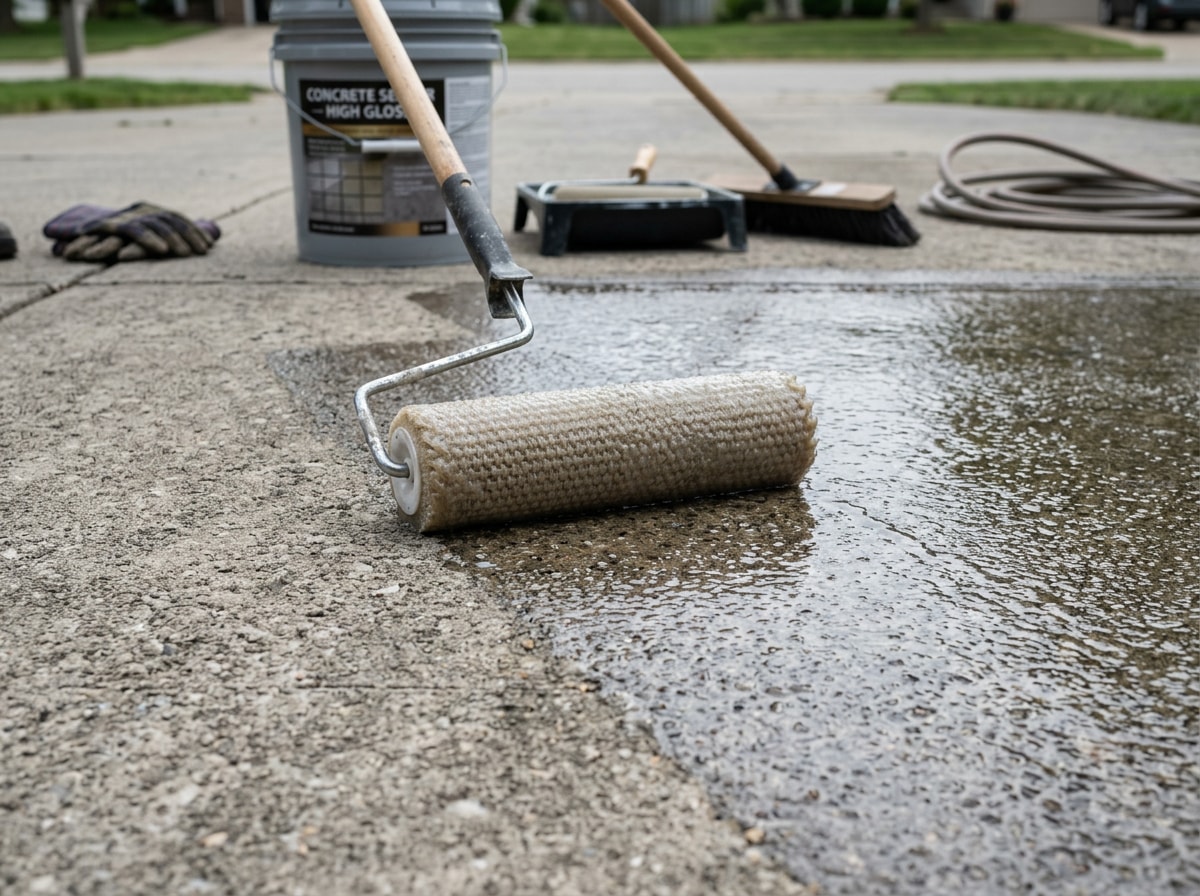
- Application: Sealer goes on with a sprayer, roller, or brush in thin, even coats, usually two coats for full coverage.
- Cure time: Light foot traffic is usually fine after 24 hours, but full cure, including vehicle traffic, can take up to 72 hours or longer depending on temperature and sealer type.
Timing matters in Indianapolis. Spring and fall offer the best application windows, when daytime temperatures sit in the range most sealers require. Summer heat can cause sealer to flash-cure too fast, while winter cold prevents proper curing altogether. For a closer look at how proper prep sets up every coat for success, see our surface preparation services.
Types of Waterproof Concrete Sealer
Not every waterproof concrete sealer is built the same way, and picking the wrong type can mean redoing the job within a year or two. Sealers vary by formulation, chemistry, and intended substrate or use.
Water-Based vs. Solvent-Based Concrete Sealers
Water-based and solvent-based sealers both protect concrete, but they differ in application, odor, and regulatory status. Water-based sealers have largely replaced solvent-based formulas in many markets because of lower VOC emissions, easier cleanup, and reduced odor, though solvent-based sealers often penetrate slightly deeper and cure to a glossier finish.
| Factor | Water-Based Sealer | Solvent-Based Sealer |
|---|---|---|
| VOC content | Lower | Higher, regulated in some states |
| Odor | Mild | Strong, needs ventilation |
| Dry time | Faster, 2-4 hours | Slower, 4-8 hours |
| Finish | Natural to slight sheen | Wet-look, glossy |
| Best for | Occupied homes, enclosed spaces | Exterior driveways, patios |
A "waterproofing sealer and treatment" is formally defined as a coating formulated for application to a porous substrate for the primary purpose of preventing water penetration , and federal rules cap VOC content for that category at 600 grams per liter under the EPA's national architectural coatings standard. Always check a product's label against current limits before buying across state lines or for commercial use.
Concrete Sealers: Chemical Makeup and Formulation
Beyond water- vs. solvent-based, sealers differ by core chemistry.
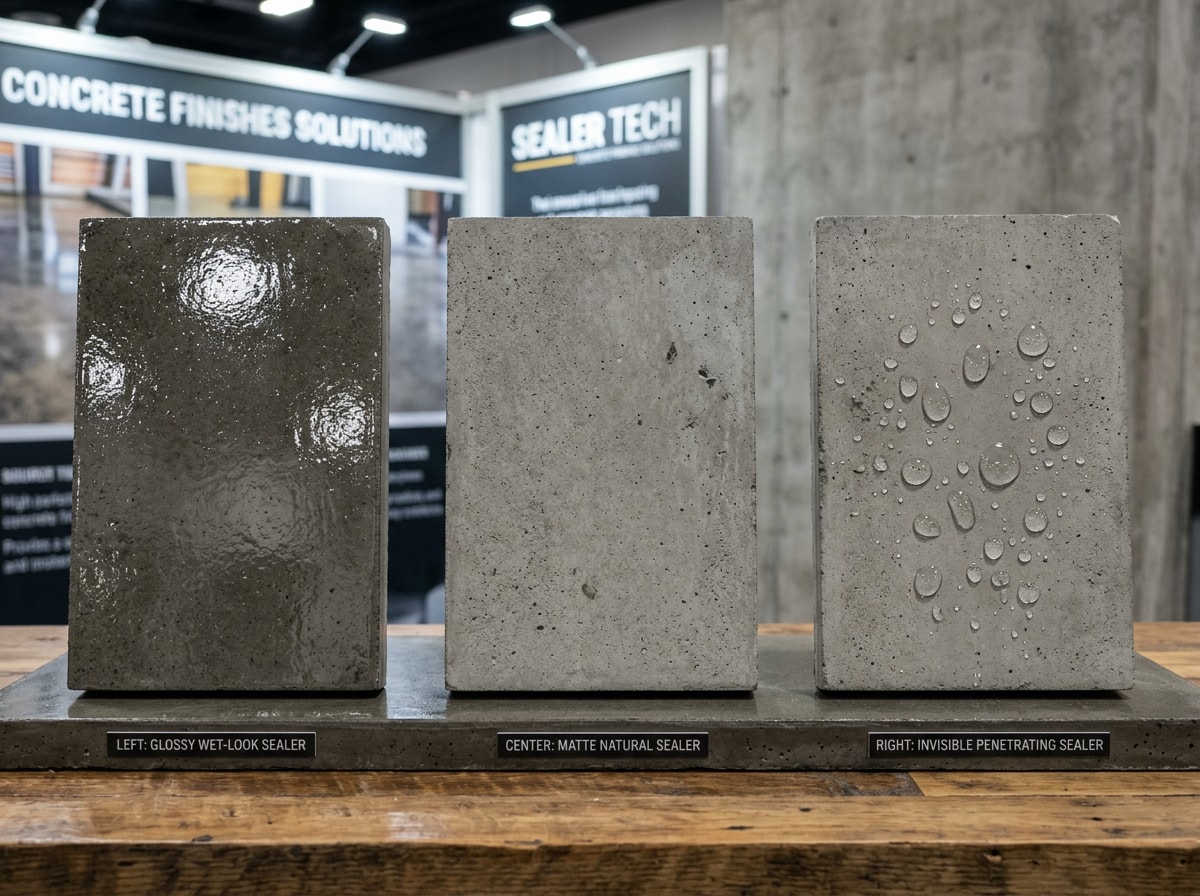
Acrylic sealers sit on top of the concrete, forming a thin protective film that's affordable and easy to reapply. It's the most common choice for driveways and patios. Epoxy and polyurethane coatings form a thicker, more durable film suited for garage floors and commercial spaces that see heavy traffic or chemical exposure.
Silane/siloxane sealers work differently. They penetrate into the concrete's pores and react chemically to repel water from the inside rather than sitting on the surface. This makes them a strong choice for vertical surfaces like foundation walls, where a topical film could trap moisture behind it.
Best Concrete Sealers by Substrate Type
Substrate affects sealer choice as much as chemistry does.
Driveways take the brunt of vehicle weight, de-icing salt, and UV exposure, so a penetrating silane/siloxane sealer or a durable traffic-rated acrylic works best. Stamped concrete needs a sealer formulated to protect color and pattern without yellowing.
Patios and pool decks call for a slip-resistant finish, since a glossy wet-look sealer can turn dangerously slick when wet. Basement and foundation walls need a penetrating foundation sealer or waterproofing membrane designed for below-grade moisture, not a topical coating. You can see examples of substrate-specific prep work on our projects page.
Best Concrete Sealers by Application
Beyond substrate, the job site itself matters.
A pool deck sealer needs slip resistance plus chlorine and UV resistance, usually from a matte or textured acrylic. A garage floor sealer benefits from epoxy or polyurethane chemistry that resists oil stains, hot tire pickup, and daily abrasion.
Exterior concrete sealer for walkways, steps, and driveways generally needs UV stability and breathability so trapped moisture vapor can still escape. Interior slabs rarely face the same weather exposure and can often use a lighter-duty sealer focused on stain resistance rather than full waterproofing.
Industrial Concrete Sealers for Commercial Applications
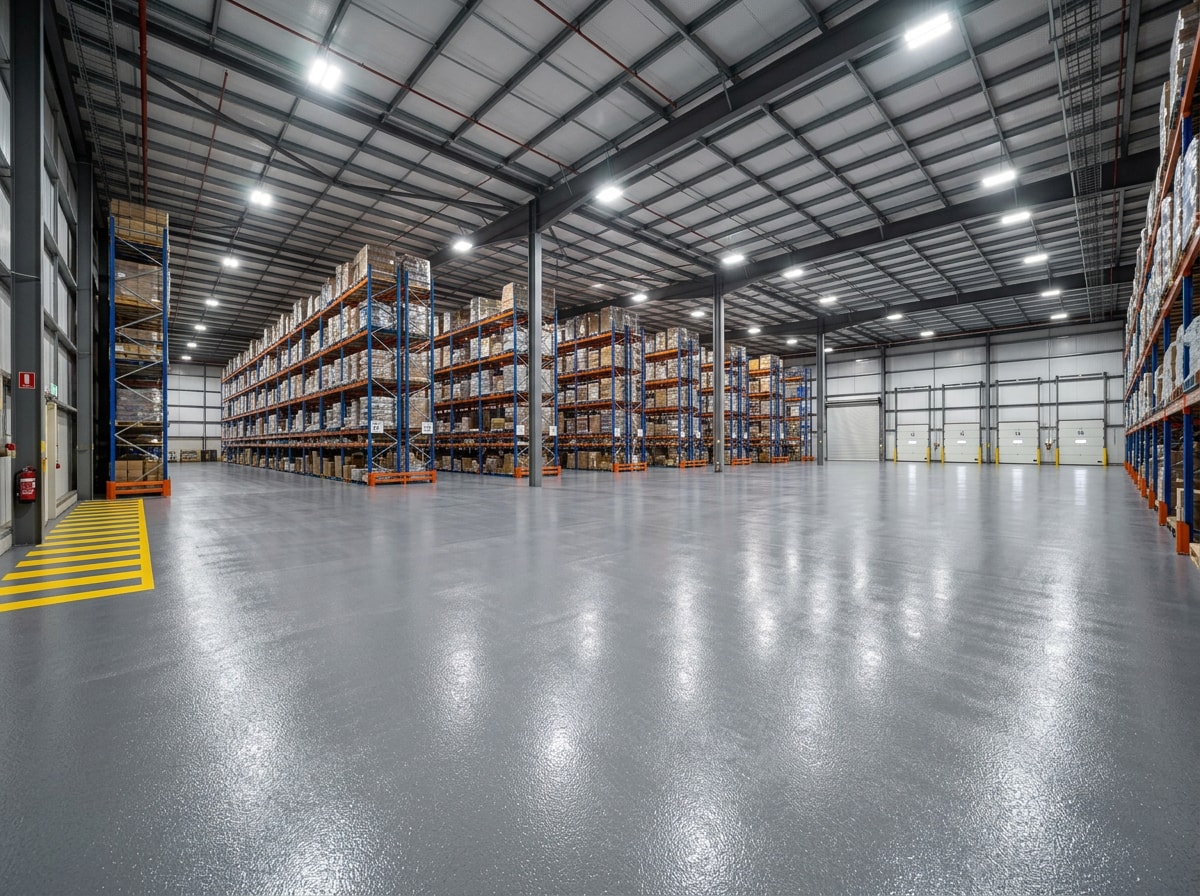
Commercial and industrial floors face demands residential sealers aren't built for: forklift traffic, chemical spills, and strict safety requirements. Industrial concrete sealers typically use epoxy or polyurethane chemistry for chemical and abrasion resistance, often with anti-slip additives broadcast into the final coat.
Slip resistance isn't optional in commercial settings. OSHA's walking-working surfaces standard exists specifically to address slip, trip, and fall hazards, which rank among the leading causes of worker injuries and deaths , so facility managers should reference the OSHA walking-working surfaces standard when specifying floor coatings for warehouses, loading docks, or food-service kitchens.
Commercial floors that need old coatings stripped before resealing are a good fit for our industrial sandblasting crews.
When to Reseal: Signs, Schedule, and Compatibility
Before resealing, check how the existing sealer is wearing. A simple water-bead test tells you a lot: sprinkle water on the surface, and if it beads up, the sealer's still working; if it soaks in dark and flat, it's time to reseal. Visible chalking, discoloration, or peeling are other signs the old coating has broken down.
Sealer compatibility matters more than most homeowners expect. Applying a solvent-based sealer over an old water-based coating, or vice versa, can cause bubbling, hazing, or poor adhesion. When in doubt, a small test patch in an inconspicuous spot avoids a costly redo.
Resealing frequency depends more on traffic and UV exposure than a fixed calendar. Reseals should be performed on an "as needed" basis rather than at a set number of years , according to the American Society of Concrete Contractors, with higher-traffic and UV-exposed areas typically needing new sealer every 2 to 3 years, while lighter-traffic and interior areas can last 4 to 5 years .
| Sealer Type | Typical Reseal Window | Best Suited For |
|---|---|---|
| Acrylic (topical) | 2-3 years in high-traffic/UV areas | Driveways, stamped patios |
| Penetrating silane/siloxane | Longer intervals, condition-dependent | Foundation walls, salt-exposed surfaces |
| Epoxy/polyurethane | Longer intervals in low-abrasion settings | Garage floors, commercial interiors |
| Any sealer type | 4-5 years | Covered patios, interior slabs, light traffic |
Does All Concrete Require Sealing?
No, not every concrete surface needs sealing, and that's a fair question before spending the money. Interior slabs covered with flooring, carpet, or tile rarely need a separate sealer, since the covering itself protects the surface underneath.
Exposed exterior concrete is a different story. Driveways, patios, sidewalks, pool decks, and foundation walls all face direct weather exposure, and in Indianapolis's freeze-thaw climate, leaving them unsealed invites the cracking and spalling covered earlier in this guide. Garage floors fall somewhere in between: sealing isn't mandatory, but it protects against oil stains, de-icing salt tracked in from vehicles, and hot tire pickup.
As a rule of thumb: if a concrete surface sits outside, below grade, or takes regular water exposure, sealing is worth the investment. If it's indoors and protected by another finish material, it can usually wait.
Where to Find Professional Waterproof Concrete Sealer Help in Indianapolis
Big-box retail sealers work fine for small DIY touch-ups, but they're usually diluted, lower-grade acrylic formulas not built for heavy Indiana winters. Professional-grade sealer typically has higher solids content, better UV stabilizers, and longer-lasting penetration.
When sourcing a waterproof concrete sealer in Indianapolis, look for a contractor who can speak to local conditions: freeze-thaw exposure, road salt use, and seasonal application windows. A reputable provider also starts with an honest look at the existing surface instead of spraying over whatever's already there.
If you're not sure whether your current coating is salvageable or needs to come off first, get a free estimate and we'll assess the surface before recommending anything. We work throughout the Indianapolis, IN area and surrounding communities.
Trust Our Team for Surface Prep Behind Every Sealing Job
Freeze-thaw cycles, humidity, and seasonal temperature swings make Indianapolis concrete sealing a job that rewards local experience, not just a product pick off a shelf. Scott's Mobile Blasting handles the surface preparation and coating-removal side of that equation for homeowners and facilities from Carmel, Fishers, Westfield, and Zionsville to Indianapolis proper.
Whether it's a single driveway or a multi-building commercial property, getting the prep right the first time takes the guesswork out of protecting your concrete for years to come. Get a free estimate before your next sealing job and find out whether your existing coating needs to come off first.
FAQ
What is the best waterproof concrete sealer?
There's no single "best" waterproof concrete sealer. The right choice depends on substrate, exposure, and budget. For most Indianapolis driveways and patios, a penetrating silane/siloxane or high-solids acrylic sealer rated for freeze-thaw climates offers the best balance of durability and value. Garage floors and commercial spaces typically perform better with epoxy or polyurethane coatings built for heavy traffic and chemical resistance.
What is a good waterproof coating sealant for concrete?
Film-forming coatings like acrylic, epoxy, and polyurethane sit on top of concrete and create a visible, often glossy waterproof layer, good for decorative surfaces and heavy-traffic floors. Penetrating sealers, like silane/siloxane, soak into the pores instead and leave the surface looking nearly unchanged. Coatings generally offer stronger surface protection and color enhancement, while penetrating sealers breathe better and suit vertical or below-grade surfaces.
What is the difference between concrete sealer and waterproofer?
A concrete sealer protects the surface from moisture, stains, and UV exposure but isn't designed to stop standing water or hydrostatic pressure. A waterproofer is a more robust system, often a membrane or coating paired with drainage, built to fully block water under pressure, like on a basement wall holding back groundwater. Sealers handle everyday moisture; waterproofing systems handle active water intrusion.
What can I put on concrete to make it waterproof?
Three realistic options exist: a penetrating sealer (breathable, invisible, moderate protection), an acrylic topical sealer (affordable, enhances appearance, needs reapplication every few years), or an epoxy/polyurethane coating (thick, durable, best for high-traffic or industrial floors but pricier). The right pick depends on whether the surface is horizontal or vertical, exposed to vehicle traffic, and how much appearance matters versus pure performance.
How long does waterproof concrete sealer last?
It depends on the sealer type and exposure. Acrylic topical sealers typically need reapplication every 2 to 3 years on high-traffic or UV-exposed surfaces. Penetrating silane/siloxane and epoxy/polyurethane systems generally go longer between reseals, especially on lightly used or interior surfaces.
Is sealing concrete worth it in Indianapolis?
For exposed exterior concrete, yes. Indianapolis's freeze-thaw winters and road salt exposure accelerate cracking and spalling on unsealed surfaces. Sealing costs far less than replacing a driveway or repairing a spalled patio, and it protects appearance along with structure.