Spalling concrete in Westfield, IN shows up almost every spring, when flaking, pitted driveways and patios reveal a winter's worth of freeze-thaw damage. The surface isn't just dirty or worn. It's actively breaking down, and ignoring it only lets the damage spread. Here's what causes it, how it's actually repaired, and when patching stops making sense.
What Is Spalling Concrete?
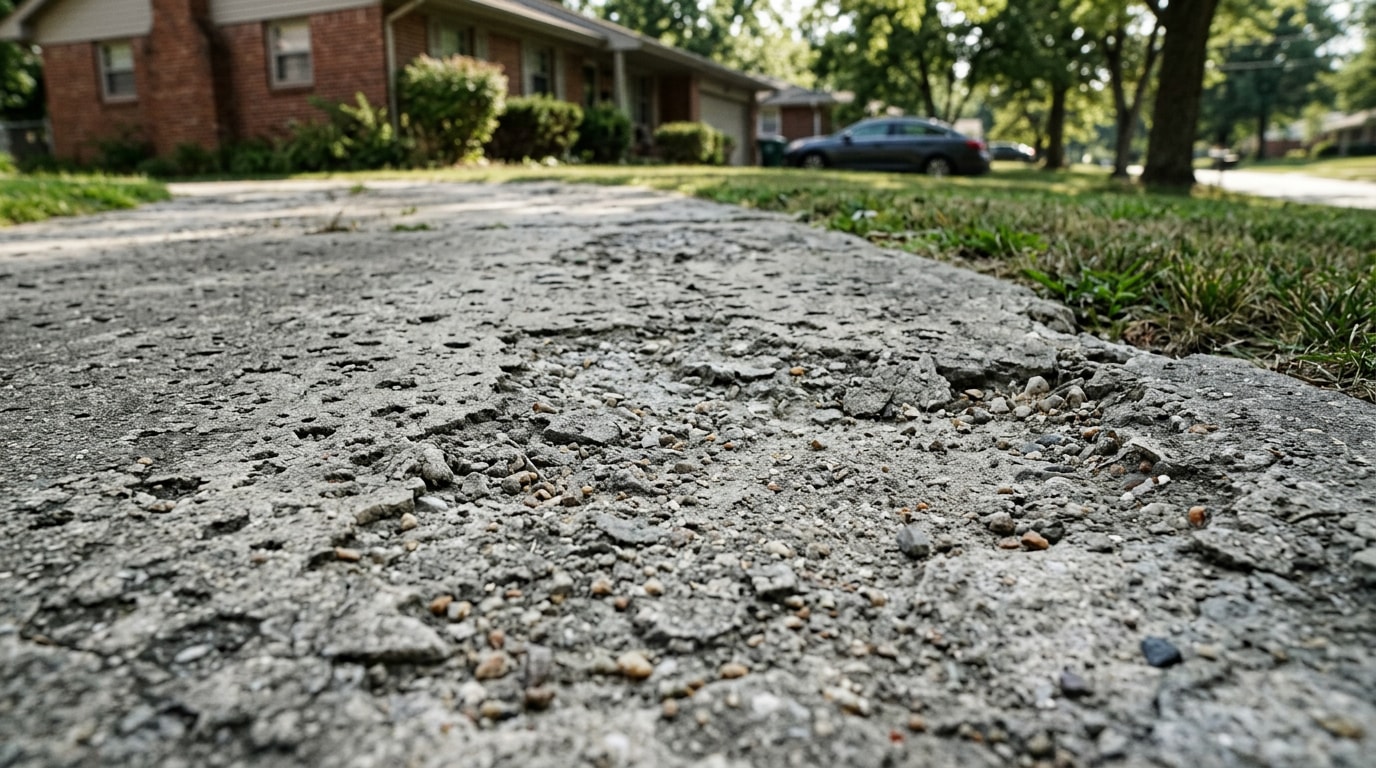
Spalling is the technical term for concrete that's flaking, chipping, or peeling away at the surface. It's different from a simple crack. Spalling means the top layer of the slab is breaking down and losing material.
In Westfield, this shows up most often on:
- Driveways and driveway aprons
- Sidewalks and front walks
- Patios and pool decks
- Garage floor slabs near entry points
The combination of freeze-thaw cycles, de-icing salt, and Hamilton County's soil composition makes spalling concrete a near-annual concern for area properties. Below, we'll cover what causes it, how it's repaired, and the steps that slow it down going forward. If you're already past the DIY stage, reach out for a free estimate and we'll walk the slab with you before recommending anything.
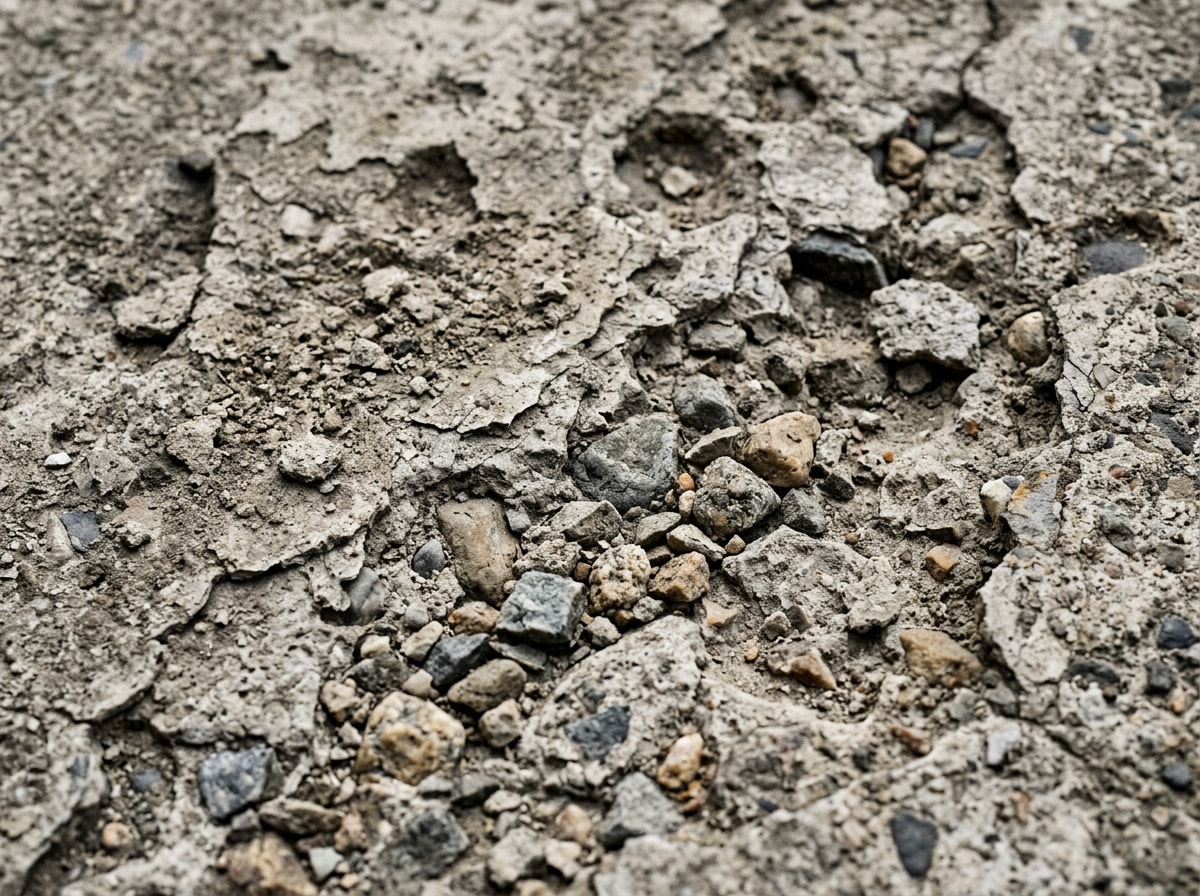
Why Does Concrete Spall?
Concrete spalls when internal pressure or moisture breaks down the surface layer faster than the slab can handle. The usual suspects:
- Freeze-thaw cycling — water in the surface pores freezes, expands, and cracks the surrounding material
- De-icing salt — lowers water's freezing point and drives moisture deeper into the slab
- Corroded rebar —
corrosion of embedded reinforcement is a leading cause, though freeze-thaw cycling can also produce spalling independently or in combination
- Poor mix or finishing — a batch that was never dense enough to resist water intrusion in the first place
These issues tend to compound. Spalling often looks minor at first, then spreads across a much larger section of the slab within a season or two.
Freeze-Thaw Cycles Are the Big Driver Here
Freeze-thaw damage is the single biggest cause of concrete spalling in a cold-winter market like Westfield. Water expands about 9% when it freezes, which increases pressure inside the concrete surface and gradually breaks down the top layer. Indiana winters bring dozens of these cycles, not just a handful of hard freezes, so that expansion-and-contraction stress repeats over and over on the same slab.
De-icing salt makes it worse. Research out of Purdue University's civil engineering program found that calcium in de-icing salt can react with calcium hydroxide in the concrete to form calcium oxychloride, an expansive compound that can damage concrete even at temperatures above freezing. That's a detail most driveway-repair pages skip, but it's worth knowing before you spread rock salt on a new pour.
Surface damage from this process doesn't happen all at once. Trade groups classify it by depth: light scaling doesn't expose the coarse aggregate, moderate scaling exposes the aggregate and may involve loss of up to ⅛ to ⅜ inch of surface mortar, and severe scaling exposes the aggregate clearly with more material lost. On the driveways and patios we prep around Hamilton County, that moderate stage is usually where homeowners finally call someone.
Signs You Need a Professional, Not a Patch Kit
Small surface flakes are often manageable. Once damage reaches a certain point, DIY patching stops being a real fix. Call a contractor instead of grabbing another bag of patch compound if you see:
- Flaking, pitting, or chips breaking off in chunks, especially spreading from a control joint or edge
- Hollow-sounding spots when you tap the slab
- Rust staining on the surface, which usually means exposed or corroding rebar
- Cracks that keep widening season over season
A real inspection checks the depth of the damage, looks for corroded rebar, and tests whether the surrounding slab still has structural integrity. If you're at that stage, get a free estimate and we'll give you a straight answer about your options before you spend money on the wrong fix.
How Is Spalling Concrete Repaired?
Repair options generally fall into three categories: cosmetic fixes, sealants that slow the damage, and full replacement. Which one makes sense depends on how deep the spalling goes and how much of the slab is affected.
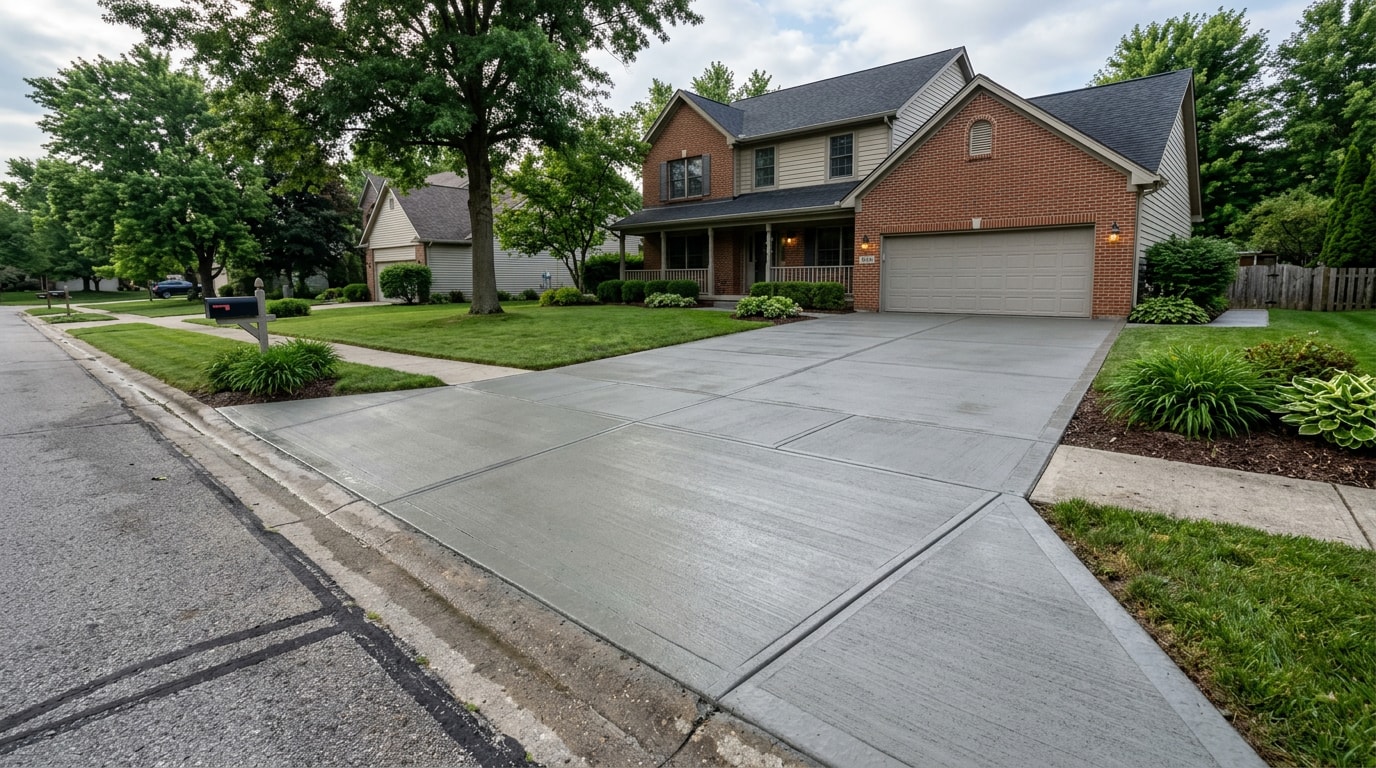
Concrete overlays. A thin new layer poured directly over the damaged surface, resurfacing it so it looks new. Overlays are relatively affordable and quick to install, but they're a temporary fix. The underlying spalling is still there and typically resurfaces within a few years. The overlay's adhesion depends entirely on what's underneath, which is why loose material and old coatings need to be removed with concrete surface preparation before anything new goes down.
Topical sealers. Form a protective film on top of the slab that blocks moisture from soaking in. Useful for slowing surface wear, but a topical sealer sits on top rather than penetrating the concrete, so it doesn't address spalling already working below the surface.
Penetrating sealers. Soak into the concrete itself rather than just coating the top, giving them a better shot at slowing active spalling from the inside. Stronger than a surface sealant, but still not permanent. They buy time rather than solve the underlying problem.
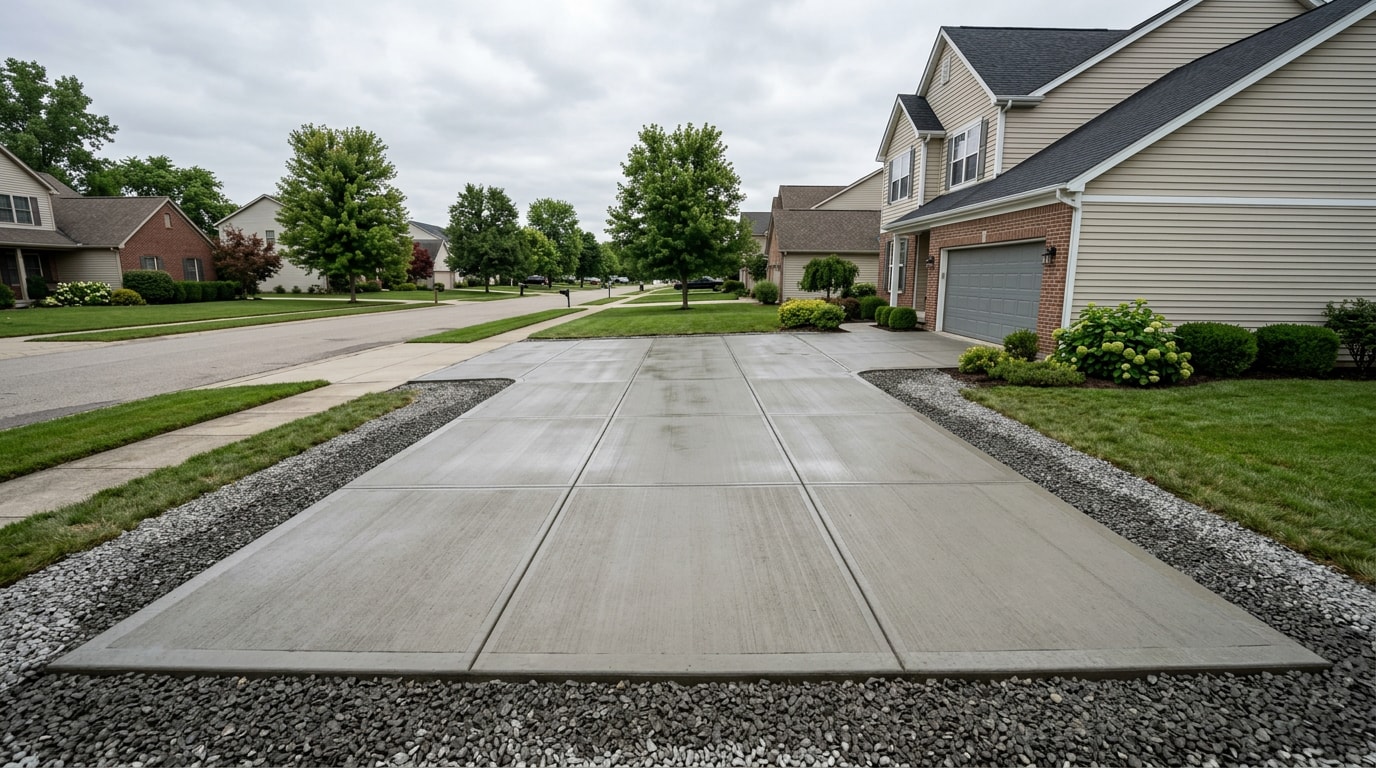
Full replacement. Removing the damaged concrete and pouring a fresh slab is the only option that actually resolves spalling long-term rather than slowing it down. It costs more up front but resets the clock on the entire surface.
Whichever route you take, the prep step gets skipped more often than it should. We've opened up driveways in Westfield where a previous overlay failed in under two years, and every time, the old surface hadn't been properly cleaned down to sound concrete first. Our concrete sandblasting service strips loose material, old sealer, and laitance so an overlay or coating actually bonds instead of flaking off again.
| Repair Option | Typical Cost Range (per sq. ft.) | Expected Lifespan | Best For |
|---|---|---|---|
| Concrete overlay | $3–$7 | 3–8 years | Minor cosmetic flaking |
| Topical sealer | $0.50–$1.50 | 1–3 years | Light surface protection |
| Penetrating sealer | $1–$3 | 3–5 years | Slowing moderate spalling |
| Full replacement | $6–$15 | 20–30+ years | Deep spalling, exposed rebar |
These are general planning ranges, not a quote. Exact pricing depends on slab condition, access, and how much prep work the surface needs. Browse our project photos to see before-and-after examples of prepped and resurfaced concrete, or contact us for an on-site number.
How to Prevent Concrete Spalling
Preventing spalling starts before the concrete is even poured. For exterior slabs that will face moisture, freezing, and de-icing chemicals, trade guidance calls for a specified strength of 4,000 psi, avoiding excess mixing water, and finishing after bleed water has dissipated without using steel trowels. Proper curing and a quality sealant applied before the first hard freeze round out the list.
For existing slabs, the most actionable step for Westfield homeowners is sealing surfaces before winter, since that directly addresses the freeze-thaw and de-icing salt exposure covered above. If a slab already has an old coating or efflorescence buildup, our coating preparation process strips it back to bare, sound concrete so the new sealer actually holds.
Spalling Concrete Around Westfield and Nearby Areas
Hamilton County's clay-heavy soil and hard freeze-thaw winters make spalling a recurring issue on Westfield driveways, patios, and garage floors. We see the same pattern in Carmel, Fishers, and Zionsville, where similar soil and climate conditions apply. If your slab is flaking, it's rarely a one-property problem. It's a regional one.
Scott's Mobile Blasting handles the surface preparation side of these repairs, from stripping failed coatings before a resurface to prepping bare concrete for a new sealer. Visit our homepage to see the full range of sandblasting services and surface preparation services we offer across the Indianapolis area.
FAQ
Can Spalled Concrete Be Fixed?
Spalled concrete can be slowed or patched, but it can't be fully reversed once the surface has broken down. Sealers and overlays manage the damage temporarily. Full replacement is the only approach that actually resolves it.
Is It Better to Repair or Replace Spalled Concrete?
It depends on how deep the damage goes. Shallow, cosmetic flaking on a small area is usually fine to repair with a sealer or overlay. Widespread spalling, exposed rebar, or a large affected area generally calls for full replacement.
Do I Need a Permit for Concrete Repair in Westfield, IN?
For most residential projects, no. The City of Westfield confirms that replacing an existing driveway with concrete or asphalt does not require a building permit. Work on public sidewalks or within the street right-of-way can involve separate inspection requirements, so it's worth confirming with the city's building division before starting.
How Do I Know If My Concrete Needs Repair?
Look for surface flaking, visible chips, hollow-sounding spots when tapped, and cracks that keep widening. Any of these point to active deterioration worth a professional look before it spreads.
Is Spalling Concrete a Safety Hazard?
It can become one. Flaking and pitting create uneven, slippery footing, and once chunks start breaking loose, trip hazards get worse quickly. Spalling near a garage or entry point is worth addressing before it turns into a liability.
Can You Pour New Concrete or an Overlay Over Spalled Concrete?
Only if the damaged surface is properly prepped first. Pouring over loose, flaking concrete without removing the compromised material almost always leads to the new layer failing early. That's why surface preparation, not just a fresh pour, is the step that determines whether a repair actually lasts.
---
Dealing with spalling concrete in Westfield, IN and need it stripped, prepped, or resurfaced right the first time? Get a free estimate from Scott's Mobile Blasting and we'll tell you honestly whether your slab needs a sealer, a prep-and-overlay, or full replacement.