If you're researching concrete jobs in Zionsville, IN, you're probably trying to get a driveway, patio, or slab done right, not hunting for a paycheck. This guide covers the project types that count as "concrete jobs" around Boone County, what permits apply, and the surface prep standards that decide whether the finished job actually lasts.
What Counts as a "Concrete Job" in Zionsville?
"Concrete job" covers a wide range of work, from a 10-foot sidewalk patch to a full commercial parking lot pour. Most homeowner and business requests in Zionsville fall into a handful of categories.
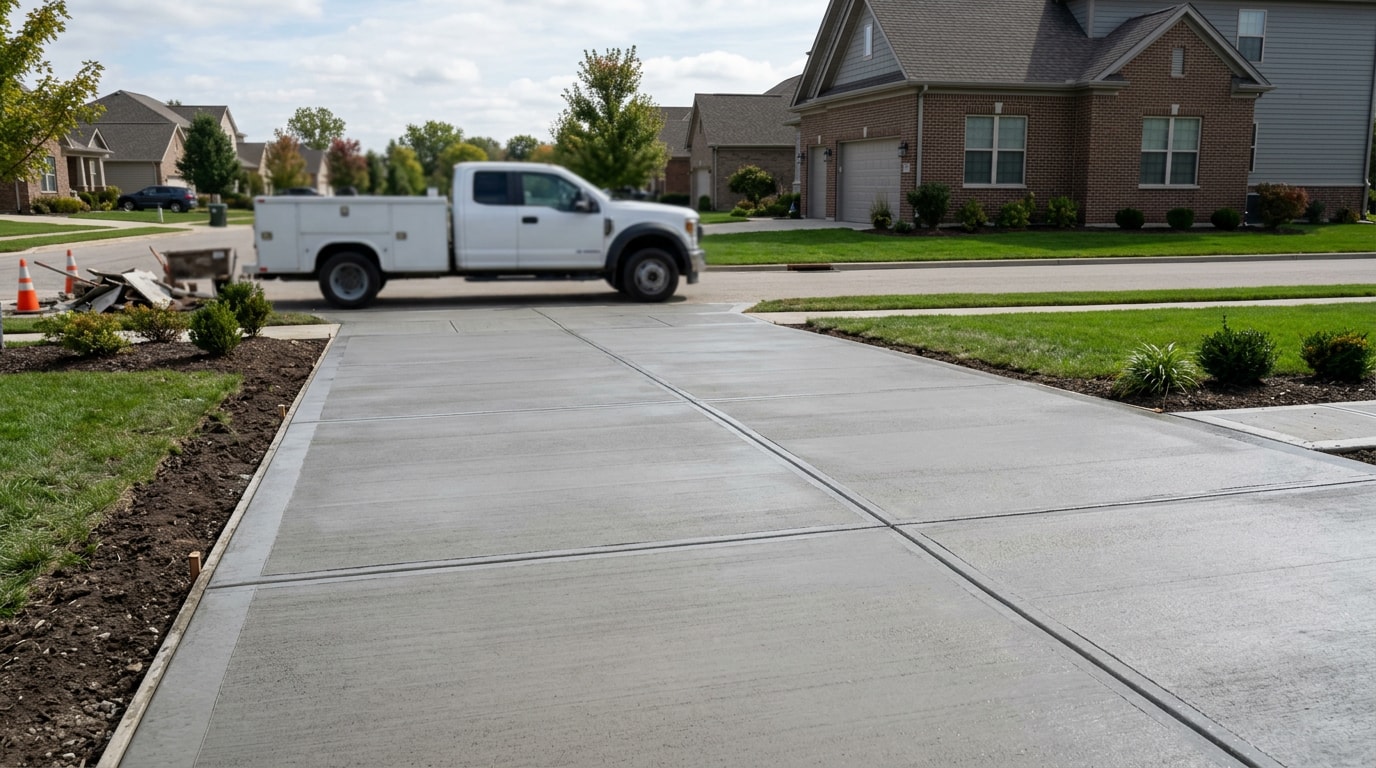
- Driveways and aprons – new pours, widenings, and full replacements
- Patios and walkways – flatwork tied to landscaping and outdoor living projects
- Foundations and slabs – garage floors, pole barn pads, shed bases
- Retaining walls – poured or block walls for grade changes
- Repair and resurfacing – fixing spalled, cracked, or settled concrete instead of tearing it out
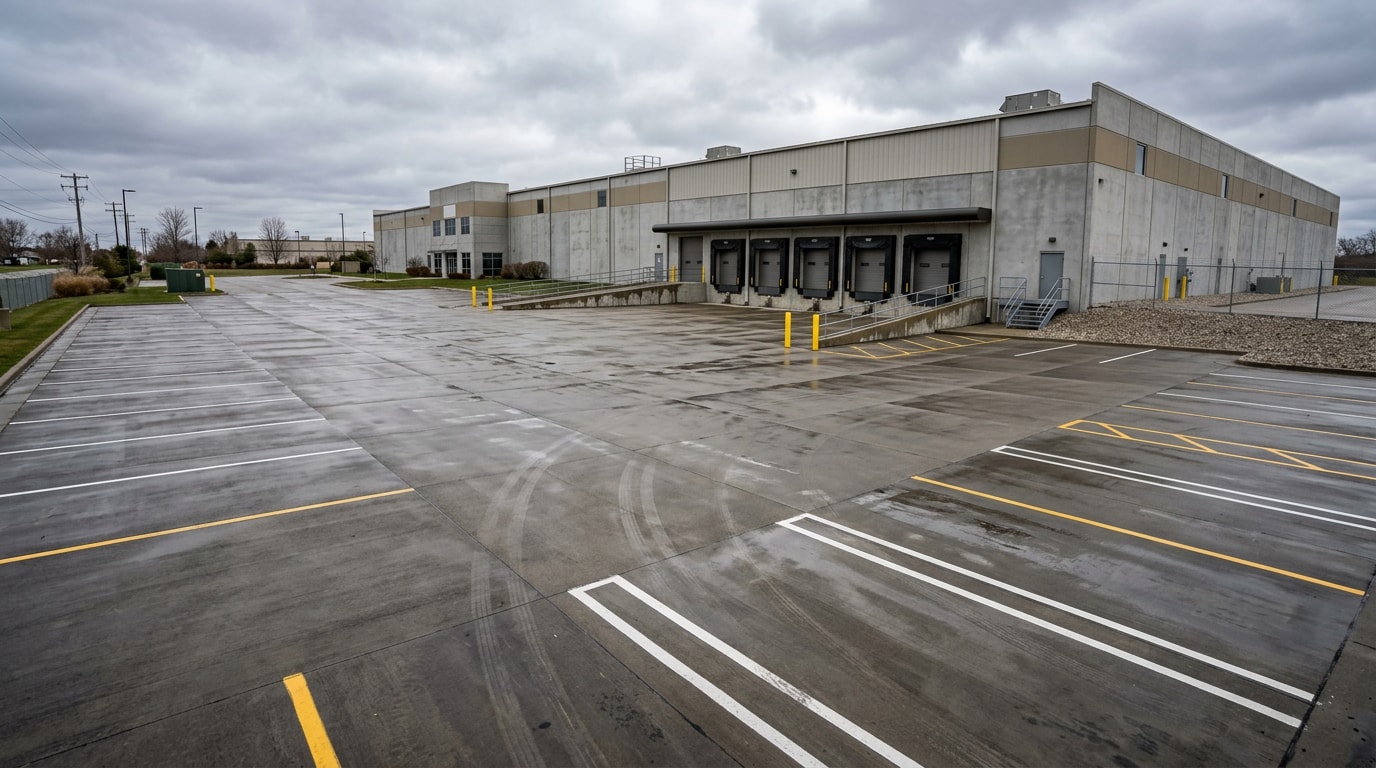
- Commercial flatwork – loading docks, sidewalks, and parking areas for local businesses
Each of these has different prep, forming, and finishing needs, which is why "concrete job" pricing and timelines vary so much from one project to the next.
Typical Scope by Concrete Job Type
| Concrete Job Type | Typical Scope | Surface Prep Usually Needed |
|---|---|---|
| New driveway or apron | Excavation, forming, base, pour, finish | Subgrade compaction, control joint layout |
| Patio or walkway | Smaller forming, decorative finish options | Grading, base rock, sometimes stamping prep |
| Garage floor or slab | Vapor barrier, reinforcement, flatwork | Moisture testing before any coating goes down |
| Retaining wall | Footing excavation, forming, drainage | Soil compaction, drainage stone placement |
| Repair/resurfacing | Crack chasing, patch material, surface bonding | Mechanical profiling so new material actually bonds |
| Commercial flatwork | Larger pours, jointing plan, load ratings | Engineered base prep, often inspected |
If you want dollar-by-dollar pricing for your specific project, our Concrete Cost Calculator Zionsville, IN guide breaks down yardage, labor, and finish-option costs for the local market.
Permits and Rules for Concrete Jobs in Zionsville
Zionsville sits in Boone County, and the Town has its own planning and building department separate from county offices for anything inside town limits. That matters for concrete jobs because driveway and flatwork rules aren't identical everywhere in the county.
New or widened driveways that connect to a Boone County road or state highway generally require a driveway permit before work starts. The applicant is required to complete a Town of Zionsville Residential or Commercial Improvement Location Permit, and a driveway permit is required for any new driveway proposed to outlet onto a Boone County Road or State Highway.
Site plans submitted with permit applications typically need to show the driveway's exact location, dimensions, and connection points. Location and size of any proposed or existing driveway, including any connection to an alley, must be indicated on the application.
Not every concrete job needs a full permit. Straight-footprint repairs and resurfacing on existing residential flatwork often fall outside that requirement, but anything that changes the footprint, adds a curb cut, or touches right-of-way usually doesn't. Check with the Town of Zionsville Planning & Building Department before you schedule a pour if you're unsure.
The Concrete Job Process, Step by Step
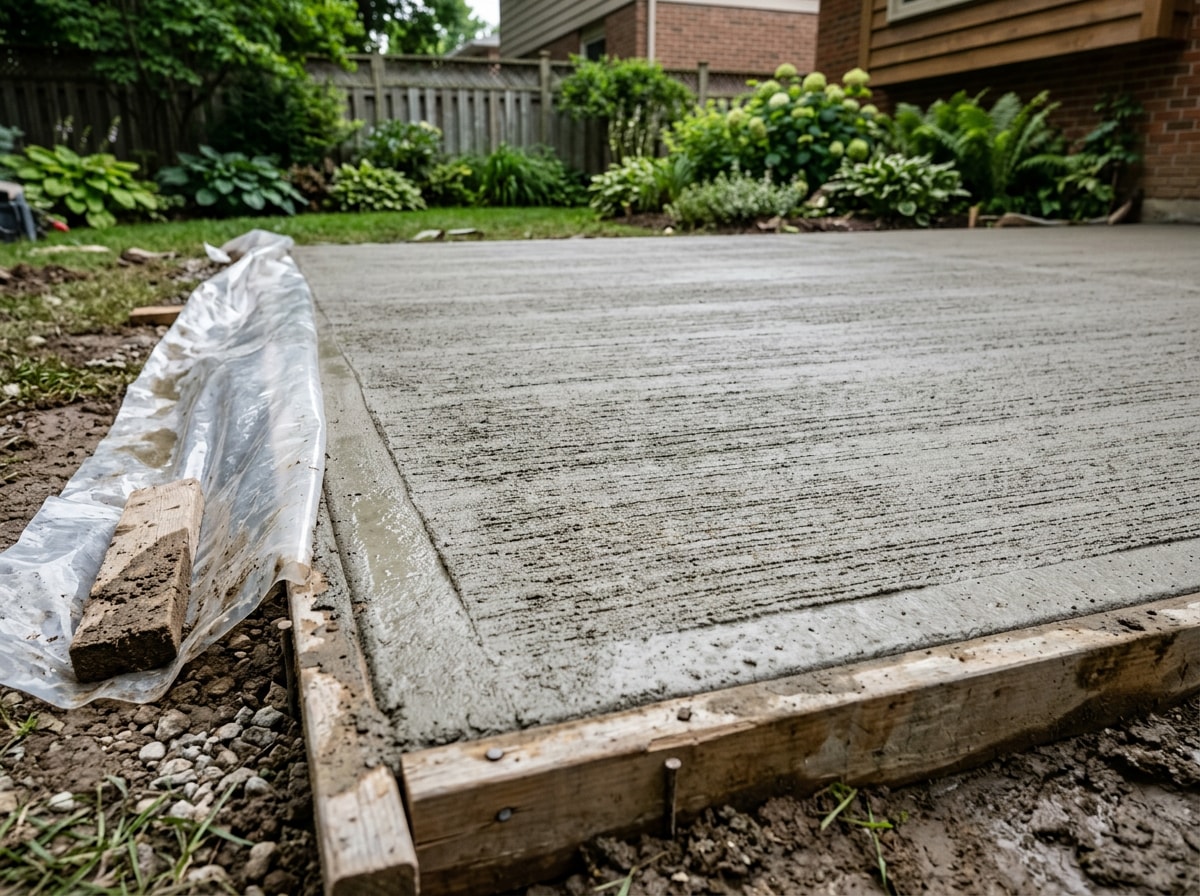
Every solid concrete job follows roughly the same sequence, regardless of whether it's a sidewalk patch or a commercial pad.
- Site prep and excavation – removing old material, grading to depth
- Forming – setting wood or metal forms to hold the pour to spec
- Base and reinforcement – compacted aggregate, rebar or mesh where required
- Pouring and screeding – placing concrete and striking it level with the forms
- Finishing – floating, troweling, edging, and cutting control joints
- Curing – protecting the slab while it gains strength over the following weeks
- Sealing or coating (if specified) – applied only after the surface is properly profiled
Most concrete reaches the bulk of its design strength within the first week, with curing generally continuing through about 28 days. Skipping ahead on any step, especially curing, is one of the most common reasons a "finished" concrete job starts cracking or spalling within a year.
Surface Prep: The Step Most Concrete Jobs Skip
This is the part of a concrete job that gets rushed more than any other, and it's the one I see cause the most callbacks.
In several years of prepping concrete surfaces across the Indianapolis metro, including plenty of jobs in and around Zionsville, the failures I run into almost never trace back to bad concrete. They trace back to a sealer or coating applied over a surface that was never properly profiled.
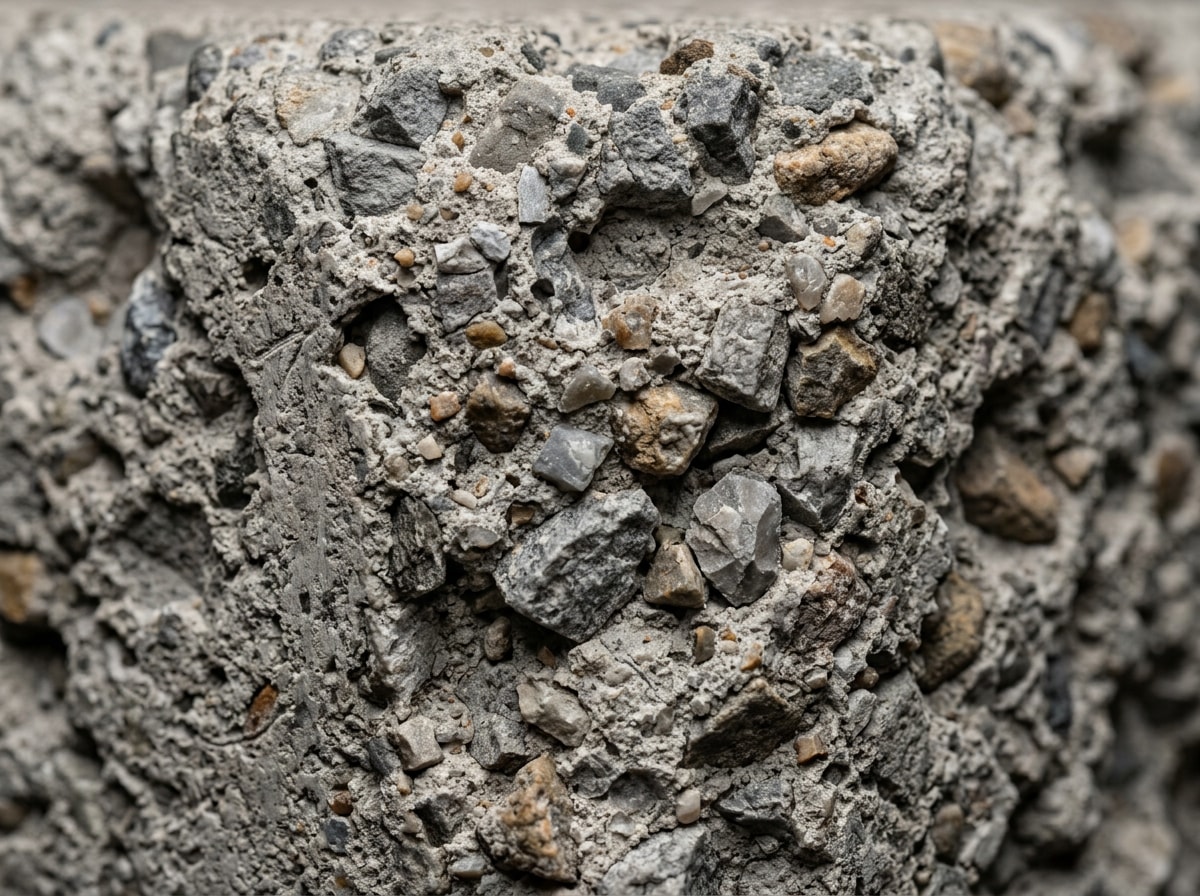
The concrete industry measures this with Concrete Surface Profile (CSP) standards set by the International Concrete Repair Institute. These profiles are accepted industry standards to help guide the installer in achieving the proper texture for successful bonding of the overlay or coating. A smooth, trowel-finished slab (roughly CSP 1-2) is fine on its own, but it's the wrong surface for a coating or overlay that needs mechanical bite to bond.
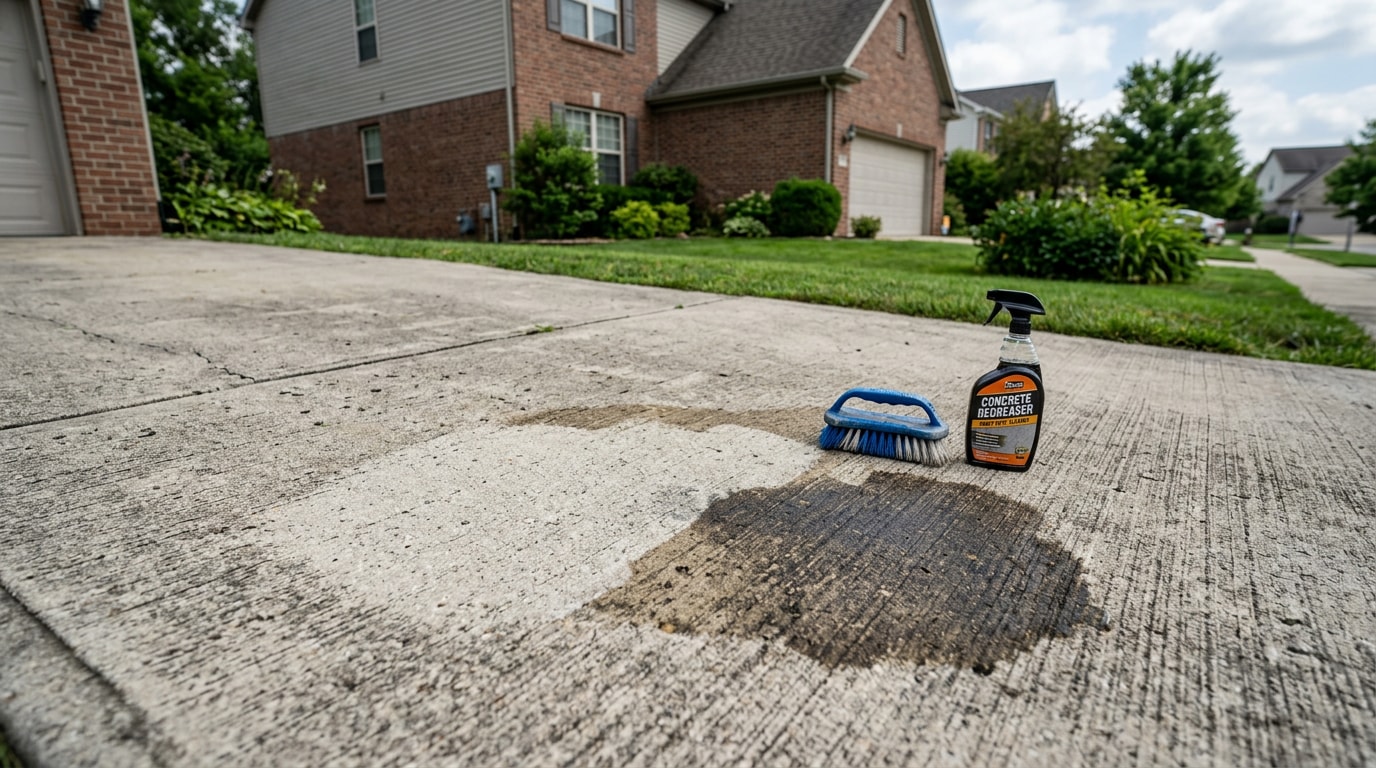
Abrasive blasting is one of the standard methods for hitting a mid-to-heavy CSP target before coatings, polymer overlays, or repair patches go down. If you're planning to seal a driveway, coat a garage floor, or patch spalled concrete, ask whoever does the prep what CSP they're targeting, not just what product they're applying.
Our Concrete Surface Preparation and Concrete Sandblasting services exist specifically for this step, profiling the surface correctly before coating, sealing, or patching goes on.
Repair vs. Replacement: Matching the Job to the Problem
Not every damaged slab needs to come out. Spalling, surface cracking, and minor settling are often repairable if the underlying concrete is structurally sound.
Full replacement makes more sense when:
- Cracks run through the full depth of the slab
- The slab has settled unevenly across multiple sections
- Reinforcement is exposed and corroding
- Repeated patch repairs haven't held
Our guide on spalling concrete covers the specific causes and repair options in more detail if you're trying to decide which category your project falls into.
Get a Free Estimate if you want a second opinion before committing to a full tear-out.
Safety Standards That Affect Concrete Jobs
Cutting, grinding, or blasting concrete generates silica dust, and that's regulated under federal law, not just a best practice. The rule requires that employers limit workers' exposure to respirable crystalline silica dust, which can become airborne during tasks such as cutting, grinding, drilling, or crushing materials containing crystalline silica such as brick, concrete, stone or mortar, and workers can also be exposed during operations that involve abrasive blasting with sand.
For homeowners and business owners hiring out concrete work, this is worth asking about. A crew running proper dust controls, whether that's wet-cutting, shrouded grinders, or a closed blasting system, isn't just checking a compliance box. It's protecting the people doing the work and keeping dust off your property and landscaping.
Choosing Who Does the Work
A few questions separate a solid concrete job from a redo six months later:
- Does the quote specify PSI rating, reinforcement, and joint spacing, not just a flat price?
- Who's handling the permit, if one is needed?
- What surface prep happens before any sealer, coating, or patch material goes on?
- What's the cure time before the slab sees traffic or gets sealed?
- Is there a written warranty on the finished work?
If a quote skips most of these, that's a sign to ask more questions before signing. You can see examples of completed concrete and surface prep work on our projects page, and our homepage has the full rundown of services we run across the Indianapolis metro, including Zionsville.
FAQ
Do I need a permit for a concrete driveway or patio in Zionsville?
New driveways connecting to a Boone County road or state highway generally need a Town of Zionsville driveway permit. Straight-footprint repairs or resurfacing on existing flatwork often don't require a full permit, but expanded footprints, new curb cuts, or right-of-way work usually do. Confirm with the Town of Zionsville Planning & Building Department before scheduling work.
How much does a concrete job cost in Zionsville, IN?
Cost depends on the job type, square footage, site access, and whether decorative finishes or surface prep are involved. See our Concrete Cost Calculator Zionsville, IN breakdown above for yardage and labor ranges, or request a free estimate for a project-specific number.
How long does concrete need to cure before it can be sealed or used?
Most concrete gains the bulk of its strength in the first week and is considered fully cured around 28 days. Light foot traffic is usually fine within a couple of days, but sealing or coating should wait until the slab has cured enough to avoid trapping moisture under the coating.
What's the difference between repairing and replacing concrete?
Repair works when damage is surface-level, such as spalling, minor cracking, or small settled areas, and the slab underneath is still structurally sound. Replacement is the better call when cracks run full-depth, reinforcement is exposed, or the same spots keep failing after repair.
Why does surface prep matter for concrete coatings and sealers?
Coatings and sealers bond to concrete through mechanical adhesion, not just chemical bonding. If the surface is too smooth, a coating can peel or delaminate within months. Profiling the concrete to the right CSP level before coating is what makes the difference between a finish that lasts years and one that fails fast.
Does weather affect when concrete jobs can be scheduled in Zionsville?
Yes. Cold temperatures slow curing and can cause freeze damage to fresh concrete, while hot, dry conditions can cause surface cracking from rapid moisture loss. Most contractors in central Indiana plan around both, adjusting mix design, timing, and protective covering as needed.